About Henry J. Zelley
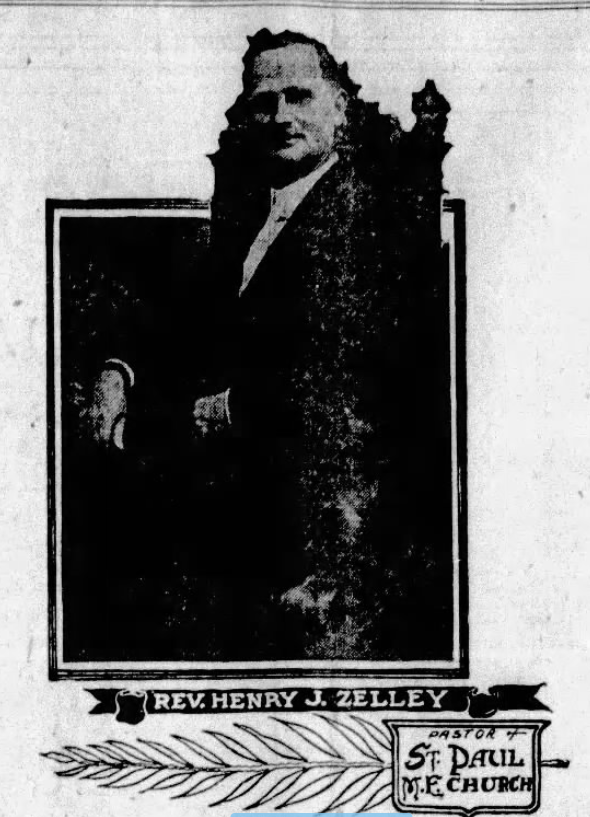
Henry Jeffreys Zelley (1859–1942) was a powerhouse of American Methodist evangelism, serving as a pastor, administrator, and one of the most prolific songwriters of the holiness movement. Born in Mount Holly, New Jersey, Zelley was highly educated, earning multiple advanced degrees from Taylor University before embarking on a ministerial career that spanned nearly five decades. While he served nineteen different churches throughout the New Jersey Conference, his heart was most visible in his work with the camp meeting movement, where his "evangelistic fervor" found its most natural expression.
Zelley’s literary output was staggering; he is credited with writing over 1,500 poems, hymns, and gospel songs. His work is defined by a joyful, rhythmic quality that made it ideal for large-scale revival services. He frequently collaborated with the composer Henry L. Gilmour, and together they produced some of the most recognizable anthems of the era. Their most famous collaboration, "He Brought Me Out," remains a staple in many denominational hymnals, celebrating the transition from the "miry clay" of sin to the "solid rock" of salvation.
Another enduring favorite from the Zelley-Gilmour partnership is "He Rolled the Sea Away" (also known as "When Israel Out of Bondage Came"). This hymn uses the biblical account of the Exodus as a metaphor for personal spiritual liberation, a common theme in Zelley’s writing. His ability to take grand scriptural narratives and apply them to the individual's emotional experience allowed his songs to resonate deeply with the crowds at the Great Auditorium in Ocean Grove and other famous New Jersey camp meeting sites.
Zelley remained active in church administration and education until his retirement in 1929, serving notably as a trustee for Pennington Seminary. He passed away in Trenton, New Jersey, just one day after his 83rd birthday. His legacy lives on through the vibrant, "shouting" gospel tradition he helped cultivate, providing a musical vocabulary for believers to express the "mountains of faith" and the transformative power of a personal religious experience.