About Hugh R. Haweis
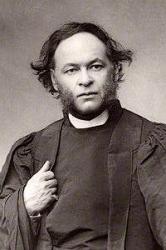
Hugh Reginald Haweis (1838–1901) was one of the most eccentric and multi-talented figures in the 19th-century Church of England. The son of a Canon, Haweis was far from a conventional clergyman; he was a violinist, a war correspondent, a critic, and a popular preacher. After graduating from Cambridge, his adventurous spirit led him to Italy, where he served under Giuseppe Garibaldi during the Italian War of Independence in 1860. Upon his return to England, he was ordained and eventually spent thirty-five years as the perpetual curate of St. James’s, Marylebone, where his unconventional and dramatic sermons drew massive crowds.
The Musical Moralist
Haweis is perhaps best remembered for his influential writings on the philosophy of music. His book "Music and Morals" (1871) was a Victorian bestseller that argued for the profound emotional and ethical power of music. He was an expert on campanology (the study of bells) and a connoisseur of violins, publishing a definitive work titled Old Violins in 1898. To Haweis, music was not merely entertainment but a divine language that could refine the human soul—a theme he explored in his long-running tenure as a music critic for various London journals.
The Homeland
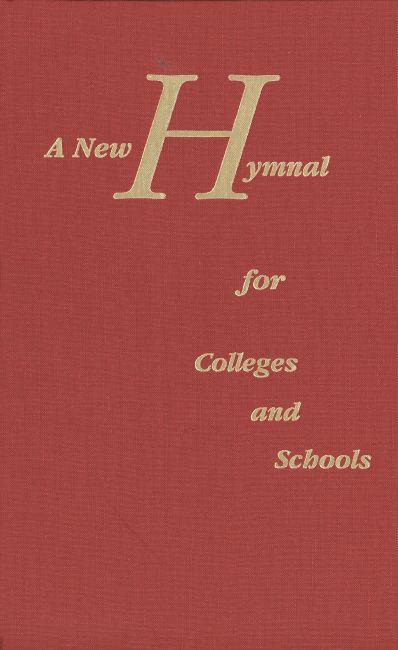
In the world of hymnody, Haweis is famously associated with a single, immensely popular text: "The Homeland! O the Homeland!" Written in 1855 while he was still a student, the hymn captures a deep, romantic yearning for the "land of the freeborn" beyond this life. It was famously set to a poignant tune by Arthur Sullivan (of Gilbert and Sullivan fame), and the combination became a staple of Victorian funerals and memorial services. The hymn’s focus on the "everlasting garden" and the "sweet and blessed country" resonated with a public that found comfort in Haweis’s vivid, hopeful imagery of the afterlife.
A Broad Church Legacy
Haweis was a representative of the "Broad Church" movement, which sought to harmonize traditional faith with modern science and culture. His interests were vast; he traveled the world, lecturing across the United States and even attending the Parliament of the Religions in Chicago in 1893. He was a friend to many of the great literary and musical figures of his day, and his home in London was a famous salon for intellectuals. He died in 1901, leaving a legacy as a man who lived at the intersection of the sacred and the artistic, always insisting that a "musical life" was a more moral one.
Key Works and Contributions
-
"The Homeland! O the Homeland!": His primary contribution to hymnody, noted for its emotional depth and enduring popularity in the late 19th century.
-
Music and Morals (1871): A seminal work exploring the connection between aesthetic beauty and ethical character.
-
St. James, Marylebone: His London pulpit, which he transformed into a center for intellectual and musical discussion.
-
Old Violins (1898): A testament to his status as a leading authority on string instruments and their history.