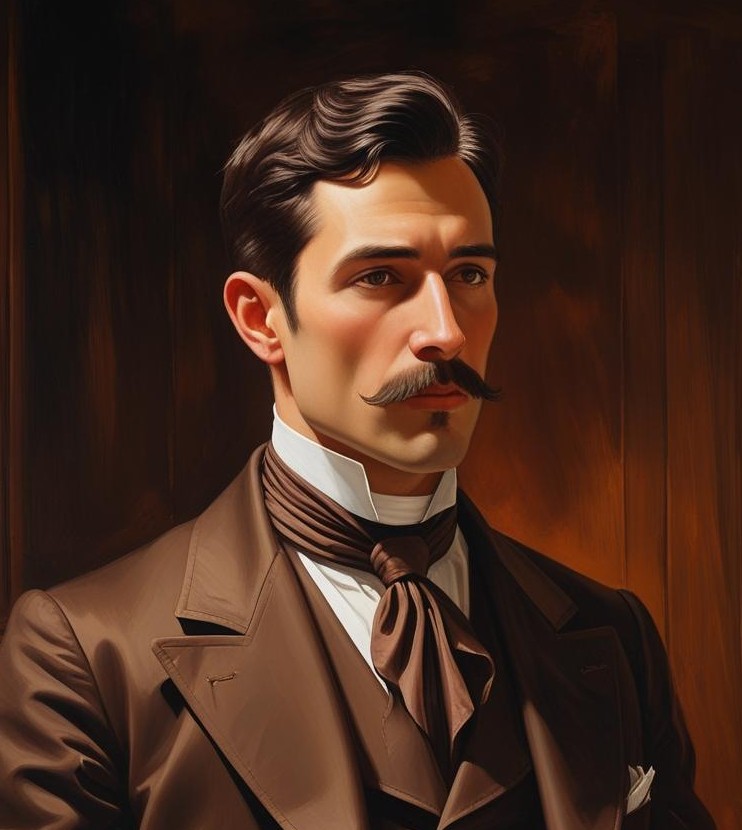
About J. B. Atchinson
Jonathan Bush (J. B.) Atchinson (1840–1882) was an American Methodist preacher and hymn writer whose brief but impactful career coincided with the rise of the late 19th-century gospel song movement. Born in Wilson, New York, Atchinson initially worked in other fields before being formally licensed as a Methodist preacher in 1874. His entry into the world of hymnody was almost immediate following his licensure, and he quickly became a favored contributor to the influential collections curated by Ira D. Sankey and the Dwight L. Moody revival campaigns.
Atchinson’s first published hymn, "Behold the stone is rolled away," appeared in the Sunday School Times in 1874. This Easter text established his reputation for writing clear, emotionally resonant verses that were well-suited for the Sunday School and mission services of the era. However, his most enduring fame came through his collaboration with prominent gospel composers like W. F. Sherwin and P. P. Bliss. His hymn "Fully persuaded, Lord, I believe," published in Gospel Hymns No. 1, became a standard invitation song, used to encourage personal commitment and faith during the massive revival meetings held throughout the United States and Great Britain.
His literary style often focused on the anticipation of the afterlife and the rewards of a faithful life. "I have read of a beautiful city" is a prime example of this "heavenly yearning" that was a hallmark of Victorian-era spirituality. Set to music by O. F. Presbrey and included in Sankey’s Sacred Songs and Solos, the hymn paints a vivid, biblical picture of the New Jerusalem. Similarly, his work "O crown of rejoicing that's waiting for me" utilized the popular imagery of the "victor's crown," a theme that P. P. Bliss enhanced with a stirring, triumphant melody.
Though Atchinson died at the relatively young age of 42, his work survived through its inclusion in the most popular hymnals of the late 19th century. He was a quintessential "pastor-poet" of the early gospel era, writing simple yet profound lyrics that helped transition the church from the formal psalmody of the past to the more personal, testimonial style of the future. His hymns remain historical markers of a time when the American church was defined by its evangelistic fervor and its hope in the "beautiful city" to come.