About J. B. Lemon
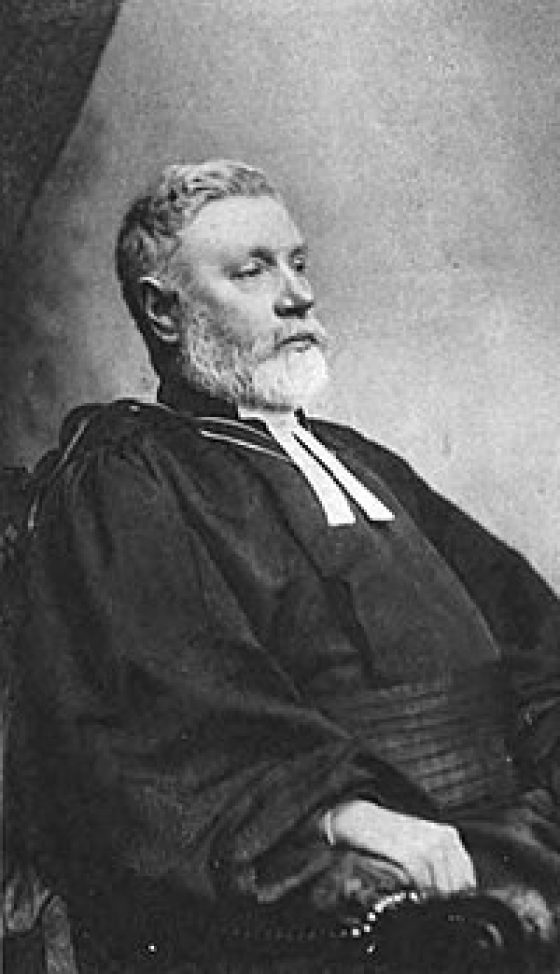
James Buchanan (J. B.) Lemon (1854–1917) was a prominent Baptist minister, author, and songwriter who spent much of his career serving congregations in the northeastern United States. Born in Michigan, Lemon was educated at the University of Rochester and Rochester Theological Seminary, entering the ministry during a period when the Baptist denomination was expanding its reach through both traditional preaching and the creative use of "gospel songs." He was particularly well-known for his long and successful pastorate at the First Baptist Church of Manchester, New Hampshire, where he was recognized as a tireless organizer and a gifted communicator.
Lemon’s contributions to hymnody often focused on the themes of personal accountability and the encouraging nature of the Christian life. His hymn "At the judgment seat of Christ, my Savior" reflects the "holiness" and "consecration" themes that were popular in late 19th-century evangelicalism. It challenges the singer to consider their earthly actions in the light of eternity, a common motif in Lemon’s sermons as well. This text was frequently included in gospel songbooks used for "protracted meetings" and revivals, where the goal was to lead the listener to a point of serious self-reflection and commitment.
In contrast to his more sobering themes, Lemon also wrote music designed to provide comfort and optimism to the average churchgoer. His hymn "Hear the voice of Jesus say, I will give you rest" utilizes the invitation of Matthew 11:28 to offer a message of peace to the weary. Similarly, "Let the sunshine chase the shadow" employs nature-based metaphors to encourage a positive, faith-filled outlook on life. These songs were characterized by simple, flowing melodies and a "singable" quality that made them popular in Sunday Schools and mid-week prayer services.
Beyond his songwriting, J. B. Lemon was a prolific author of books and pamphlets, including Beyond the Horizon, which explored themes of the afterlife and biblical prophecy. He was also a pioneer in the "Boys' Brigade" movement within the Baptist church, seeking new ways to engage young people in the life of the congregation. His work on the hymn committee for various denominational publications ensured that his influence extended beyond his own pulpit. He died in 1917, remembered as a versatile "minister of the word" who used both the spoken and the sung voice to build up the church.