About J. Edwin Orr
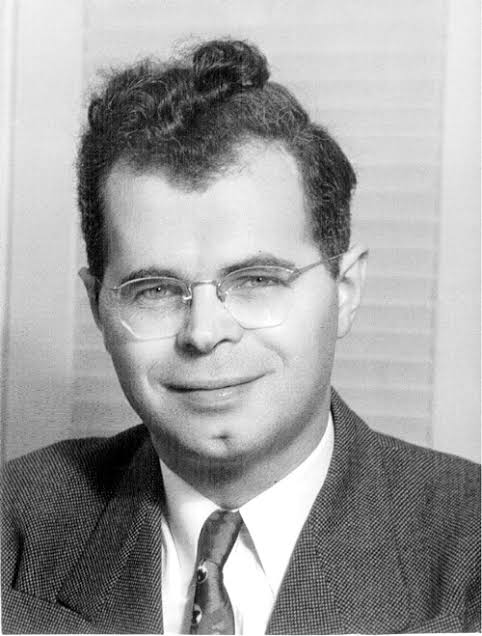
James Edwin Orr (1912–1987) was a world-renowned historian of religious revivals, an evangelist, and a scholar who dedicated his life to studying and promoting spiritual awakenings. Born in Belfast, Northern Ireland, Orr held dual British and American citizenship, a status that facilitated his extensive global travels. After working briefly as a baker, he began a tireless career of evangelism across Britain and Europe before eventually expanding his reach to over 150 countries. His academic journey was equally expansive; he earned several advanced degrees, including a PhD from Oxford University in 1948, where he specialized in the history of the second evangelical awakening in Britain.
Orr’s ministerial career was defined by a combination of intellectual rigor and evangelistic fervor. During World War II, he served as a chaplain for the U.S. Air Force in the Pacific, an experience that added a global perspective to his later academic work. In 1966, he joined the faculty of the School of World Missions at Fuller Theological Seminary in Pasadena, California, where he served as a professor until 1981. His expertise was so highly regarded that evangelist Billy Graham described him as one of the greatest authorities on the history of Protestant revivals. Beyond his teaching, Orr was a foundational leader in Campus Crusade for Christ, serving as one of its five original board members from 1951.
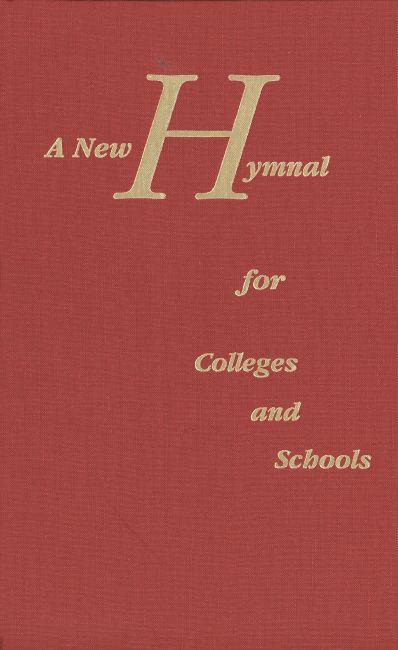
Though primarily known for his forty-plus books on revival history, Orr made a singular, enduring contribution to hymnody with the prayerful lyric "Search Me, O God." Written in 1936 during a powerful revival movement in New Zealand, the hymn was inspired by the text of Psalm 139. Orr wrote the verses to be sung to the tune of a traditional Maori folk song, "Maori Farewell," after witnessing the intense spiritual fervor of the local converts. The hymn, with its focus on total surrender and divine cleansing, became a staple of 20th-century evangelical worship and remains his most famous creative work.
Orr’s life was a testament to the intersection of scholarship and faith. He was honored as a Fellow of several prestigious organizations, including the Royal Historical Society and the Royal Society of Literature, reflecting his contributions to both history and letters. Even in retirement as a professor emeritus at Fuller, he continued to travel and promote the renewal of the church. He passed away in 1954 in Ridgecrest, North Carolina, leaving a legacy that bridged the gap between the academic study of church history and the practical pursuit of spiritual revival.