About J. M. Stillman
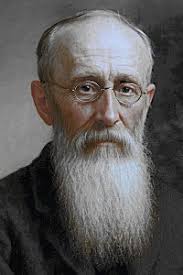
Jairus Maxson (J. M.) Stillman (1834–1917) was a distinguished American music educator, composer, and conductor who significantly influenced the musical life of the Seventh-day Baptist denomination and the broader Midwest. Born in Alfred, New York, Stillman was a second-generation musician; his father was a talented tenor and singing school teacher. Stillman displayed remarkable precocity, reading music at sight by age ten. He formalised his training at Alfred Academy before embarking on a career that eventually earned him a Doctorate of Music and a long-standing professorship at Milton College in Wisconsin.
While Stillman was a respected academic, his true impact was felt through his leadership in the "educational side of the art." For fifteen years, he held the chair of music at Milton College, but his influence extended far beyond the classroom through his work as a compiler and editor of sacred music. He was the associate author of several popular collections, including Good-Will for Sabbath Schools, The Cluster, and Anthem Treasures. These books were designed to elevate the musical standards of small-town choirs and Sunday schools by providing accessible yet harmonically rich material.
Stillman’s expertise was nationally recognized; in Chicago, he served as a critical judge alongside other prominent musicians to select and edit pieces for the International Lesson Hymnal No. 1. His own compositions were characterized by a pedagogical clarity, making them favorites for congregational use. His most enduring hymn text, "I want to be more like Jesus," became a staple of children’s ministry and personal devotion, appearing in over seventy different hymnal collections. The hymn’s simple prayer, to follow the Savior "day by day" mirrored Stillman’s own philosophy of consistent, humble service.
A member of the Seventh-day Baptist community, Stillman was also a thoughtful theorist on the role of music in worship. His 1884 article, "Church Music and How to Sustain it," offered practical advice on maintaining musical excellence in the sanctuary. He died in 1917, remembered as a man who bridged the gap between the rigorous demands of collegiate music and the simple, heartfelt needs of the Sunday school. His legacy lives on through the generations of students he trained at Milton College and the enduring "singability" of his sacred compositions.