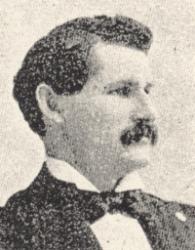
About James M. Black
James Milton Black (1856–1938) was an influential American hymn writer, editor, and choir leader who played a significant role in the development of Methodist hymnody at the turn of the 20th century. Born in South Hill, New York, Black spent the majority of his life in Williamsport, Pennsylvania, where he was a devoted member of the Pine Street Methodist Episcopal Church. His career was shaped by his education under notable musicians like Daniel B. Towner of the Moody Bible Institute, and he eventually became a prolific editor, overseeing more than a dozen gospel songbooks.
Black is best known for writing both the words and the music to one of the most famous gospel songs in history: "When the Roll Is Called Up Yonder." Written in 1893, the song was inspired by a poignant moment in Black's Sunday school class. While calling the roll, a young girl—the daughter of a local person struggling with alcoholism—failed to respond. Black was struck by the thought of what it would mean to be absent when the names are called in eternity. He went home and, in a burst of creative inspiration, penned the verses and composed the upbeat, rhythmic melody that has since been translated into dozens of languages, including Spanish, Russian, and Chinese.
Contributions to Methodist Worship
Beyond his popular gospel hits, Black was a respected figure in formal denominational music. He served on the commission that compiled the 1905 Methodist Hymnal, an important project that sought to bridge the gap between traditional Wesleyan hymnody and the newer "gospel song" style. His ability to write nearly 1,500 songs demonstrated a remarkable range, from energetic Sunday school choruses to more contemplative texts like "O make me a blessing, dear Savior, for Thee."
Themes and Style
Black's work is characterized by the "Joyful Gospel" aesthetic. His lyrics often focus on the assurance of salvation and the hope of a heavenly reunion. Notable recurring themes in his catalog include:
-
The Second Coming: Represented by his masterpiece and hymns like "When the trumpet of the Lord shall sound."
-
Personal Walking with Christ: Seen in titles such as "Are you walking in the light of God" and "I’m walking with Jesus from day to day."
-
Safe Haven: His hymn "I have anchored my soul in the harbor of love" reflects the late 19th-century focus on finding peace amidst the "tempests" of life.
James M. Black’s influence extended far beyond his local congregation in Pennsylvania. Through his editorial work and his gift for melody, he helped create a soundtrack for the evangelical movement of the early 1900s. He passed away in 1938, but his music remains a staple in camp meetings and traditional services worldwide, ensuring that his name remains synonymous with the jubilant anticipation of the "eternal morning."