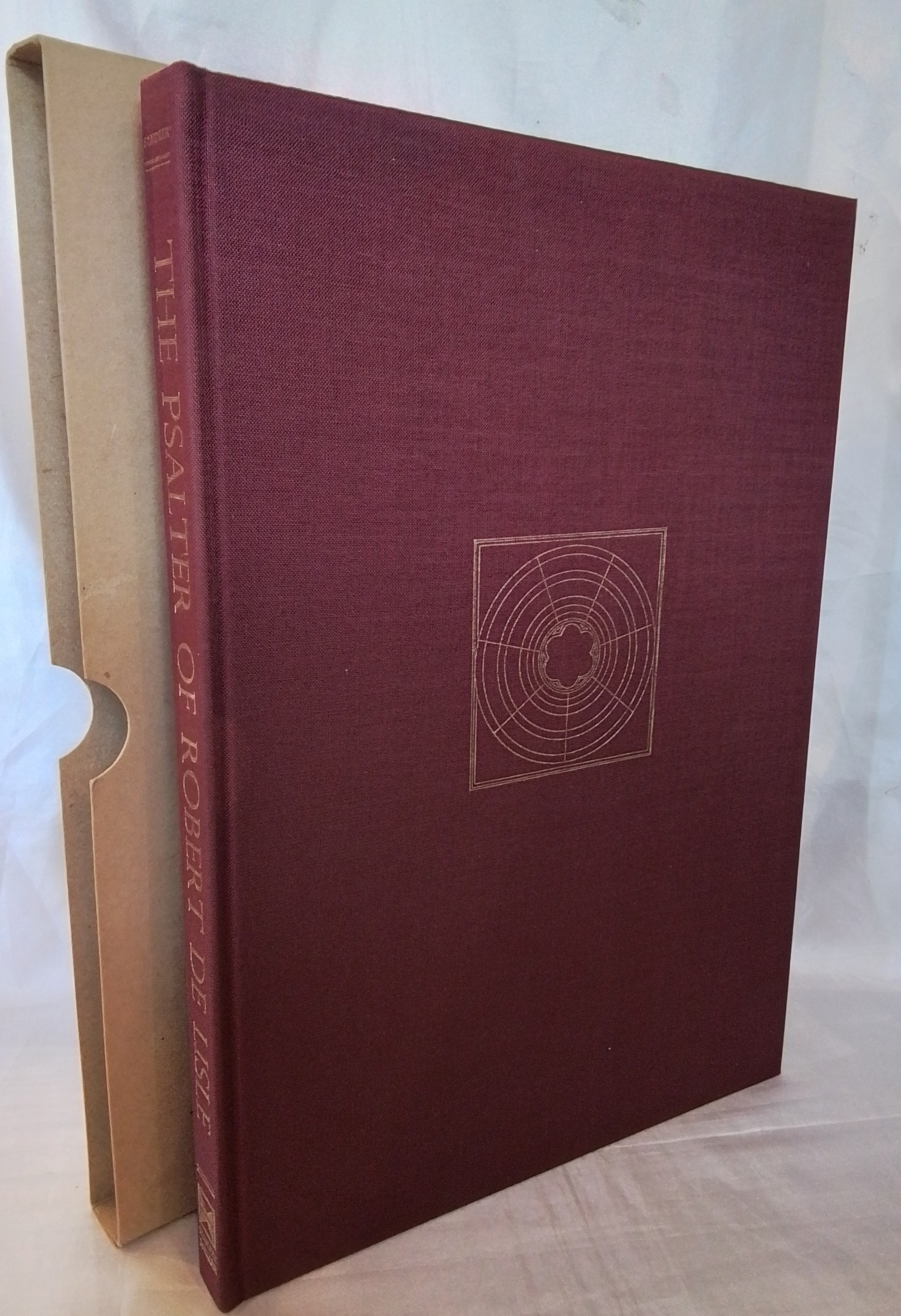
The British Psalter: A Forgotten Treasure of English-Speaking Worship
For centuries, before hymnbooks filled with thousands of original compositions became common, the songs most frequently heard in British churches were not man-made hymns but the inspired Psalms of Scripture. Sung in metrical form and set to simple melodies, the British Psalter shaped the worship, theology, and devotion of generations of Christians throughout England, Scotland, Wales, and beyond.
Today, many believers have never heard of the British Psalter, yet its influence reaches deep into the history of Protestant worship.
What Is a Psalter?
A psalter is a collection of the 150 Psalms prepared for congregational singing. While the biblical Psalms were originally written as Hebrew poetry, English-speaking churches developed metrical versions that preserved the meaning of the text while arranging it into poetic lines that could be sung to common tunes.
Rather than replacing Scripture with new songs, the psalter enabled believers to sing God's own Word together.
The Apostle Paul exhorted Christians:
"Speaking to yourselves in psalms and hymns and spiritual songs, singing and making melody in your heart to the Lord." (Ephesians 5:19, KJV)
Likewise, Colossians 3:16 commands believers to teach and admonish one another through psalms, hymns, and spiritual songs, with the Word of Christ dwelling richly among them.
The Rise of the British Psalter
Following the Protestant Reformation, many churches sought to restore biblical worship according to Scripture. One important result was the widespread singing of the Psalms.
Among the earliest English psalters was the Sternhold and Hopkins Psalter, first published in the sixteenth century. It became the principal psalter of the Church of England for over a century and was affectionately known as "The Old Version."
Later came the Scottish Metrical Psalter of 1650, widely regarded as one of the finest English psalters ever produced. It was adopted by the Church of Scotland and has remained in continuous use for centuries. Its careful translation, poetic beauty, and faithfulness to Scripture made it beloved among Presbyterians and many other Protestant churches.
Together, these and other British psalters helped establish a rich tradition of biblical congregational singing.
Why the Psalter Was So Important
The Reformers believed that worship should be governed by the Word of God. Since the Psalms were inspired Scripture given specifically for praise, they naturally occupied a central place in public worship.
The psalter offered several unique benefits:
- It filled congregational singing with inspired, biblical truth.
- It taught doctrine through memorable poetry.
- It expressed the full range of Christian experience—from joy and thanksgiving to repentance, suffering, and hope.
- It united entire congregations in singing God's own words rather than merely human reflections.
Many believers memorized large portions of Scripture simply because they sang the Psalms week after week.
The British Psalter and Christian History
The influence of the British Psalter cannot be overstated.
Scottish Covenanters sang the Psalms while enduring persecution.
English Puritans treasured them in family worship.
Missionaries carried psalters across the British Empire, introducing Psalm singing to churches throughout Africa, Asia, and North America.
For many Christians, the psalter a lifelong companion for prayer, meditation, and worship.
The Decline of Psalm Singing
During the eighteenth and nineteenth centuries, original hymn writing flourished. Writers such as Isaac Watts, Charles Wesley, John Newton, and others composed thousands of hymns that enriched Christian worship.
While these hymns became widely loved, many churches gradually reduced or abandoned regular Psalm singing altogether. In some places, the psalter disappeared from worship, leaving many believers unfamiliar with the rich songs that sustained previous generations.
Yet the Psalms themselves never lost their value. They remain God's inspired hymnbook for His people.
Recovering the British Psalter does not require abandoning hymns. Rather, it reminds the church that Scripture itself was given to be sung.
The Psalms teach us to praise God in prosperity and adversity, confess sin with sincerity, trust Him in suffering, rejoice in His salvation, and anticipate the coming reign of Christ.
Their language is saturated with God's character, His covenant faithfulness, His justice, His mercy, and His promises.
In an age when much modern worship emphasizes personal feelings, the psalter calls believers back to singing the whole counsel of God.
A Heritage Worth Recovering
The British Psalter stands as one of the great treasures of Protestant history. It nurtured believers through revivals, reformations, persecutions, and missionary movements. Its verses echoed through village churches, family homes, prisons, battlefields, and mission stations.
While musical styles may change from generation to generation, the inspired Psalms remain timeless.
Perhaps it is time for more churches to rediscover this remarkable heritage—not simply as a historical curiosity, but as a living resource for worship that places the very words of God upon the lips of His people.
As David wrote:
"I will sing unto the LORD as long as I live: I will sing praise to my God while I have my being." (Psalm 104:33, KJV)
May the songs that strengthened countless believers throughout British history once again find a place in the worship of Christ's church.




No comments yet. Be the first to share your thoughts!